

Best AI Tools for Small Business Marketing in 2026
In 2026, small businesses are no longer competing on budget — they’re competing on smart automation. Thanks to AI marketing tools, even lean teams can launch campaigns, generate content, nurture leads, and analyze performance like large enterprises. The key is choosing tools that deliver real results without overwhelming your workflow.
Here are the best AI tools helping small businesses grow faster in 2026:
1. ChatGPT – AI Content & Strategy Assistant
From writing blog posts and email campaigns to generating ad copy and social media captions, ChatGPT remains a powerful all-in-one marketing assistant. Small businesses use it to brainstorm content ideas, automate customer responses, and even create sales funnels. It saves time while keeping messaging consistent.
2. Jasper – Conversion-Focused Copywriting
Jasper specializes in high-converting marketing copy. It’s ideal for businesses running paid ads, sales pages, and product descriptions. With built-in marketing templates and brand voice customization, it helps maintain professionalism without hiring a full-time copywriter.
3. Canva – AI-Powered Design Made Simple
Visual marketing is essential in 2026. Canva’s AI features generate social media graphics, videos, and branded templates in minutes. Small business owners can create professional designs without advanced design skills.
4. HubSpot – Smart CRM & Automation
HubSpot integrates AI into email marketing, customer segmentation, and lead nurturing. Its predictive analytics help businesses identify which leads are most likely to convert, improving ROI and reducing wasted effort.
5. Mailchimp – AI Email Optimization
Mailchimp now uses AI to optimize subject lines, send times, and audience targeting. For small businesses relying on email marketing, this means better open rates and higher engagement without guesswork.
6. Surfer SEO – AI for Search Visibility
Ranking on search engines remains crucial. Surfer SEO uses AI to analyze competitors and provide real-time optimization suggestions, helping small businesses create content that ranks faster.
Why AI Marketing Tools Matter in 2026
AI allows small businesses to automate repetitive tasks, personalize customer experiences, and make data-driven decisions. Instead of hiring large teams, businesses can leverage smart systems to scale efficiently.
The best strategy isn’t using every tool — it’s choosing the right combination that supports your goals. Whether you want more leads, better branding, or higher conversions, AI marketing tools give small businesses a competitive edge in 2026.
If you’re not using AI in your marketing yet, now is the time to start.
Ethical AI Marketing: What Businesses Must Know
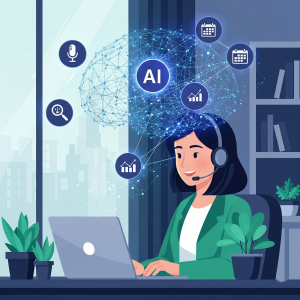
Artificial intelligence is transforming marketing in 2026. From automated content creation to predictive customer insights, AI helps businesses move faster and smarter. But with great power comes great responsibility. Ethical AI marketing is no longer optional — it’s essential for building trust, protecting customers, and sustaining long-term growth.
What Is Ethical AI Marketing?
Ethical AI marketing means using artificial intelligence in ways that are transparent, fair, secure, and respectful of customer privacy. While tools like ChatGPT, HubSpot, and Google Ads offer powerful automation and targeting capabilities, businesses must ensure these technologies are used responsibly.
AI can analyze behavior, personalize ads, and automate decision-making — but without proper oversight, it can also create bias, misuse data, or mislead customers.
1. Transparency Builds Trust
Customers deserve to know when they’re interacting with AI. Whether it’s a chatbot, automated email sequence, or AI-generated content, clear disclosure builds credibility. Hiding AI usage may create short-term gains, but transparency fosters long-term loyalty.
Businesses should also be clear about how customer data is collected and used. Privacy policies must be easy to understand — not buried in legal jargon.
2. Data Privacy Is Non-Negotiable
AI thrives on data, but ethical marketing respects boundaries. Collect only the data you truly need. Secure it properly. Avoid selling or sharing customer information without consent. Strong cybersecurity practices are critical to prevent breaches and maintain customer confidence.
In 2026, consumers are more privacy-aware than ever. Brands that prioritize data protection stand out in a crowded marketplace.
3. Avoid Algorithmic Bias
AI systems learn from existing data. If that data contains bias, the AI may unintentionally discriminate in ad targeting, pricing, or messaging. Businesses must regularly audit AI systems to ensure fairness and inclusivity.
Diverse datasets and human oversight help reduce unintended discrimination and protect brand reputation.
4. Maintain Human Oversight
AI should enhance marketing — not replace human judgment. Automated systems can optimize campaigns, but final decisions should involve real people. Human review ensures messaging remains authentic, ethical, and aligned with brand values.
The Bottom Line
Ethical AI marketing is about responsibility. Businesses that prioritize transparency, privacy, fairness, and accountability will not only avoid legal risks — they will build stronger relationships with customers.
In the AI-driven future of marketing, trust is the ultimate competitive advantage.
Start using AI the right way — with transparency, fairness, and customer trust at the core of your strategy. Audit your tools, protect your data, and put human oversight in place today. In 2026, the brands that win aren’t just smart — they’re ethical.
Using AI to Optimize Content for SEO in 2026
Search engine optimization in 2026 is smarter, faster, and more data-driven than ever before. With search algorithms evolving rapidly and competition increasing across industries, businesses are turning to AI to stay ahead. Using AI to optimize content for SEO is no longer a trend — it’s a necessity.
AI tools analyze massive amounts of search data in seconds, helping marketers identify keyword opportunities, understand user intent, and structure content for higher rankings. Instead of guessing what might work, businesses can now rely on predictive insights and real-time recommendations.
Smarter Keyword Research
Traditional keyword research is time-consuming and often incomplete. AI-powered tools like Surfer SEO and SEMrush analyze competitors, search trends, and ranking factors to uncover high-impact keywords. These platforms go beyond basic search volume, identifying semantic keywords and related phrases that improve topical authority.
In 2026, SEO success depends on context, not just keywords. AI helps marketers align content with search intent — whether informational, transactional, or navigational.
Content Creation & Optimization
AI writing assistants such as ChatGPT and Jasper help generate structured, SEO-friendly drafts in minutes. They can suggest headings, optimize meta descriptions, improve readability, and ensure proper keyword placement without overstuffing.
More importantly, AI evaluates content quality. It checks for clarity, engagement, and completeness — factors that directly impact dwell time and rankings. By analyzing top-performing pages, AI provides actionable recommendations to outperform competitors.
Real-Time Performance Insights
SEO doesn’t end after publishing. AI-powered analytics tools track ranking changes, user behavior, and conversion performance. Businesses can quickly identify underperforming content and optimize it based on real data.
Predictive analytics also help forecast future trends, allowing brands to create content before demand peaks — giving them a competitive edge.
The Human + AI Advantage
While AI accelerates research and optimization, human creativity remains essential. The most successful SEO strategies in 2026 combine AI-driven insights with authentic storytelling and brand voice.
Using AI to optimize content means working smarter — not replacing creativity, but enhancing it.
Businesses that embrace this balance will rank higher, attract better traffic, and convert more consistently in the evolving digital landscape.
Comments are closed