
AI Calendar Management: Never Miss a Beat Again
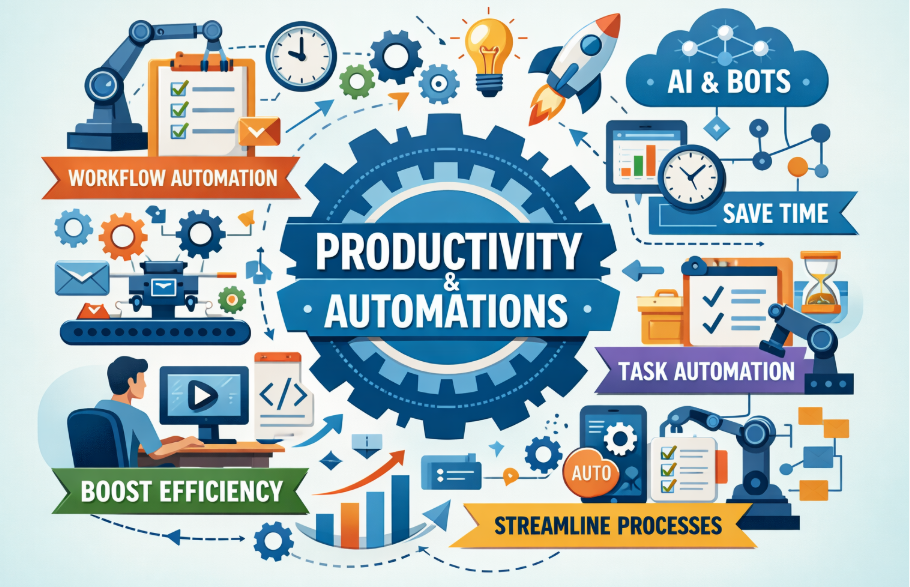
Productivity AI has evolved from simple task automation to intelligent workflow optimization. Productivity AI has evolved beyond simple task automation to intelligent workflow orchestration.
These systems learn from user behavior to provide increasingly personalized recommendations. Machine learning algorithms now predict user needs and proactively suggest optimizations to daily routines. This represents a significant shift in how professionals approach their daily workflows, with early adopters reporting productivity improvements of 30-50% in routine tasks.
Natural language processing allows for conversational task management. Users report not just time savings, but reduced cognitive load and improved decision-making capabilities. The user experience has been refined to the point where even non-technical users can implement these solutions within hours rather than weeks.
Investing in productivity AI pays dividends in both efficiency and job satisfaction. The future of productivity lies in AI assistants that understand context and can handle complex, multi-step processes. For businesses looking to stay competitive, the time to explore these innovations is now, not later.
AI-Powered Task Management Systems
Powered Task Management Systems: The Future of Productivity
In today’s fast-paced business environment, efficiency isn’t just a nice-to-have—it’s the backbone of growth. Teams juggle multiple projects, deadlines, and client expectations, often across different time zones.
That’s where Powered Task Management Systems come in: intelligent platforms designed to streamline workflows, automate repetitive tasks, and empower teams to focus on what truly matters.
🔑 What Makes a Task Management System “Powered”?
Unlike traditional to-do lists or project boards, powered systems integrate automation, analytics, and collaboration tools. Key features include:
Automation of routine tasks (reminders, follow-ups, recurring workflows)
Real-time collaboration across distributed teams
Data-driven insights to track productivity and identify bottlenecks
Integration with existing tools like CRM, email, and communication platforms
Scalability to grow with your business needs
🚀 Benefits for Teams and Businesses
Time Savings – Automating repetitive tasks frees up hours every week.
Consistency – Guardrails ensure processes are followed correctly every time.
Transparency – Dashboards give leaders visibility into progress and performance.
Flexibility – Systems adapt to different industries, whether you’re in consulting, marketing, or operations.
Client Satisfaction – Faster response times and fewer missed deadlines mean happier clients.
🛠 Real-World Applications
Consultants use powered systems to manage client deliverables and automate reporting.
Small businesses rely on them to track sales pipelines and customer communication.
Global teams benefit from timezone-aware scheduling and task handoffs.
Virtual assistants leverage automation to handle repetitive admin work while focusing on strategic support.
🌟 The Future of Task Management
As AI and automation continue to evolve, powered task management systems will become even more intuitive—anticipating needs, suggesting optimizations, and learning from team behavior. The result? A workplace where productivity feels effortless, and innovation takes center stage.
Automating Email Responses with Smart AI
Email remains the backbone of professional communication, but managing inboxes can be overwhelming. Between client inquiries, internal updates, and follow-ups, valuable time is often lost to repetitive replies. This is where smart AI-powered email automation comes in—a game-changer for businesses and professionals who want to stay responsive without sacrificing productivity.
Unlike traditional autoresponders, smart AI email automation goes beyond sending generic replies. It uses artificial intelligence to understand the context of incoming emails, generate personalized responses that match tone and intent, and learn from past interactions to improve accuracy over time. These systems can also integrate with CRM and task management platforms, ensuring that communication flows seamlessly across different tools and teams.
The benefits of automating email responses with AI are significant. Routine replies such as thank-yous, confirmations, and answers to frequently asked questions can be handled instantly, saving time and reducing workload. Consistency is another advantage, as every client receives a professional, brand-aligned response regardless of who is managing the inbox. With AI available 24/7, businesses can ensure that no message goes unanswered, even outside office hours. As organizations grow, AI scales effortlessly to manage higher volumes of communication, while faster replies build trust and enhance customer satisfaction.
Practical applications of smart AI email automation are already transforming industries. Customer support teams use AI to handle common queries, freeing agents to focus on complex issues. Sales teams rely on automated responses to nurture leads with timely follow-ups. Consultants and freelancers benefit from quick replies to inquiries, maintaining professionalism while saving time. Global teams, working across different time zones, use AI to bridge communication gaps and ensure clients receive immediate acknowledgment.
Looking ahead, the future of email automation is even more exciting. As AI evolves, these systems will become smarter, anticipating needs, suggesting next steps, and integrating with voice assistants and task management platforms. The result will be communication that feels human but operates at machine speed, allowing professionals to focus on strategy, creativity, and building relationships while AI handles the repetitive tasks.
Comments are closed